Listen to the full episode: Apple | Spotify | YouTube
Key Takeaways:
- Amyris has refocused as a B2B industrial partner, offering R&D collaboration, process scale-up, and manufacturing across 15 commercialized ingredients.
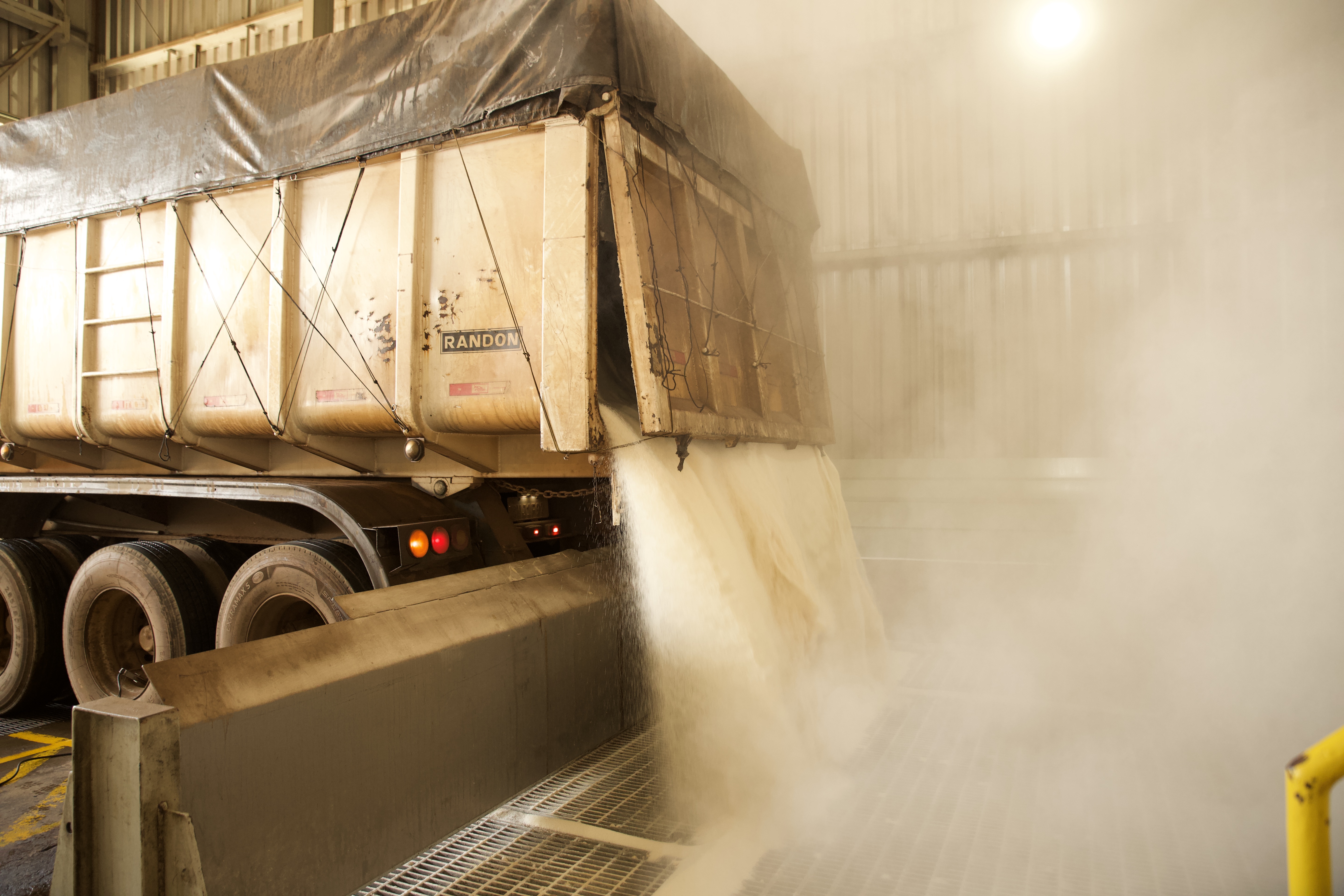
- Its Barra Bonita, Brazil facility runs nearly 1.5 million liters of fermentation capacity across four lines, including a new smaller-volume line built for partners to scale step-by-step.
- Amyris has pioneered numerous ingredients widely used across industries, including sugarcane-fermented squalane as a renewable replacement for shark-derived squalane, now used across skin and hair care.
Lisa Roessler, Chief Commercial Officer of Amyris, recently joined hosts Karl Schmieder and Erum Azeez Khan on the Grow Everything podcast to talk about what it takes to commercialize biological chemistry at industrial scale. Roessler, who led businesses at Dupont and Evonik for nearly 35 years before joining Amyris, discussed the company's focus as a B2B partner. In the podcast, she discussed R&D collaboration, process development, scale-up support, and manufacturing for partners across personal care, pharma, and specialty materials.
"I think about biofermentation hosts as perfect little chemical plants." — Lisa Roessler, Chief Commercial Officer, Amyris
Roessler walked through Amyris's manufacturing base in Barra Bonita, Brazil: four fermentation lines and nearly1.5 million liters of capacity, including a new 80-cubic-meter line sized for partners who require intermediate scale. She also detailed how Amyris's squalane, fermented from sugarcane rather than extracted from shark liver, became one of the company's signature replacements for an animal-derived material.
On what it takes for bio-based chemistry to compete with petrochemicals, Roessler argued performance has to lead: "There has to be a performance driver - designed performance benefits that will drive the transformation" She pointed to a go-to-market pattern: target high-value applications first, let the ecosystem mature, then scale into commodity markets. She compared it to how GPS moved from military use to a $300 dashboard unit to a feature in every phone.